upvc sheet roofing
uPVC sheet roofing uses rigid unplasticized PVC panels as an alternative to metal or asbestos roofing. It is popular for homes, sheds, factories, and coastal areas due to its corrosion resistance and thermal insulation
What uPVC roofing is
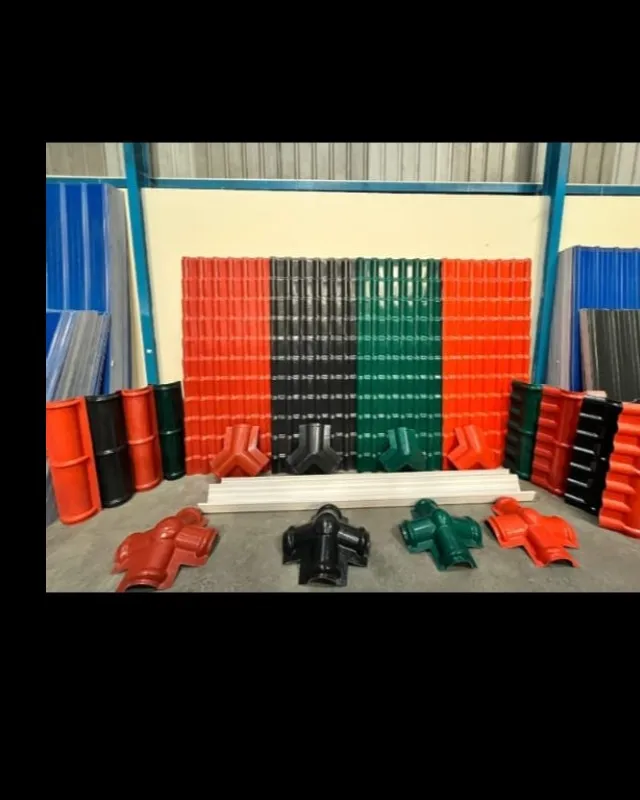
uPVC roofing sheets are rigid plastic panels made from unplasticized polyvinyl chloride, typically in corrugated profiles and standard widths around 1050 mm with thicknesses in the 2.3–3 mm range. They are designed for residential, commercial, and industrial roofs where lightweight, weather-resistant, and low‑maintenance materials are required
Key advantages
• High durability with resistance to corrosion, rot, and chemical attack, making them suitable for humid and coastal climates.
• Good thermal insulation and low thermal conductivity, helping keep interiors cooler and reduce air‑conditioning energy use.
• Lightweight and easy to cut and handle, which speeds installation and can reduce structural steel requirements and labor cost
Possible drawbacks
uPVC is less rigid and impact‑resistant than heavy‑gauge metal, so sheet thickness and support spacing must be chosen carefully in high‑wind or heavy‑load regions. There are also environmental concerns around PVC production and end‑of‑life disposal, although some manufacturers are improving processes and recyclability.
Typical applications
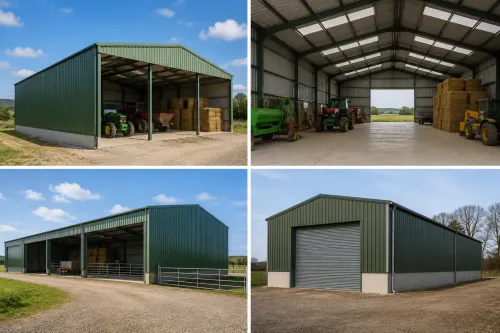
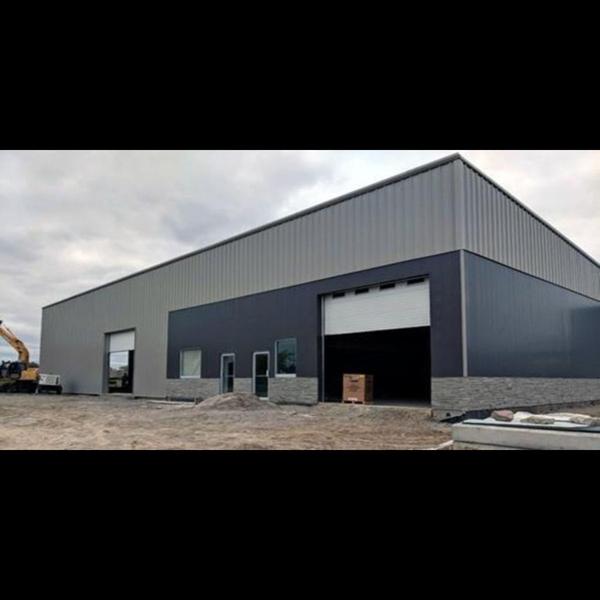
These sheets are widely used for factory sheds, warehouses, farm buildings, carports, terrace coverings, and greenhouses because of their weather and UV resistance. They are also chosen in coastal zones where metal roofs corrode quickly and where heat reduction is a priority
uPVC sheet roofing uses rigid unplasticized PVC panels as an alternative to metal or asbestos roofing. It is popular for homes, sheds, factories, and coastal areas due to its corrosion resistance and thermal insulation
What uPVC roofing is
uPVC roofing sheets are rigid plastic panels made from unplasticized polyvinyl chloride, typically in corrugated profiles and standard widths around 1050 mm with thicknesses in the 2.3–3 mm range. They are designed for residential, commercial, and industrial roofs where lightweight, weather-resistant, and low‑maintenance materials are required
Key advantages
• High durability with resistance to corrosion, rot, and chemical attack, making them suitable for humid and coastal climates.
• Good thermal insulation and low thermal conductivity, helping keep interiors cooler and reduce air‑conditioning energy use.
• Lightweight and easy to cut and handle, which speeds installation and can reduce structural steel requirements and labor cost
Possible drawbacks
uPVC is less rigid and impact‑resistant than heavy‑gauge metal, so sheet thickness and support spacing must be chosen carefully in high‑wind or heavy‑load regions. There are also environmental concerns around PVC production and end‑of‑life disposal, although some manufacturers are improving processes and recyclability.
Typical applications
These sheets are widely used for factory sheds, warehouses, farm buildings, carports, terrace coverings, and greenhouses because of their weather and UV resistance. They are also chosen in coastal zones where metal roofs corrode quickly and where heat reduction is a priority
Keywords